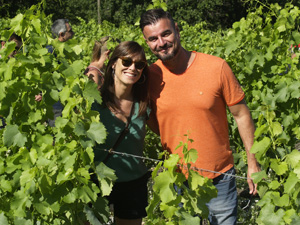
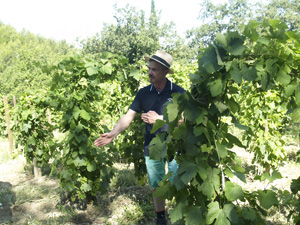
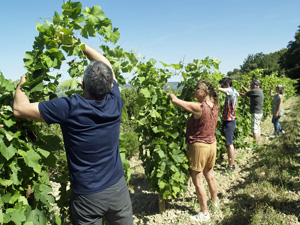
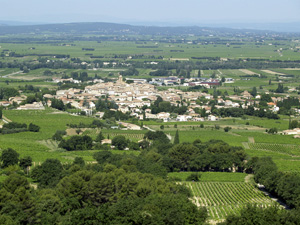
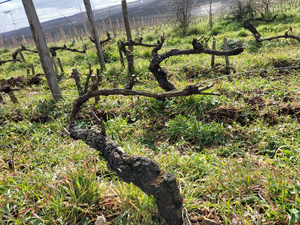
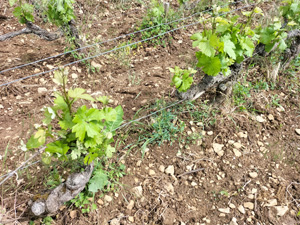
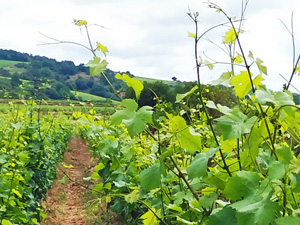
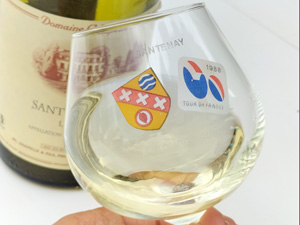
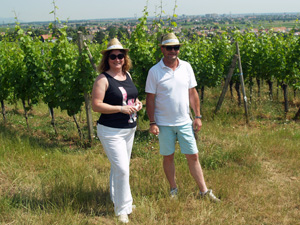
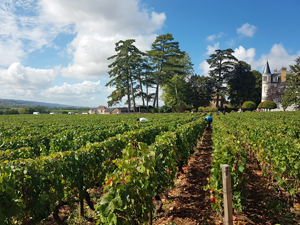
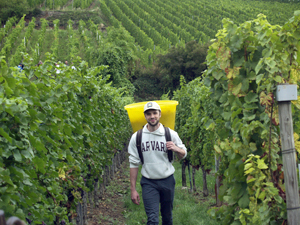
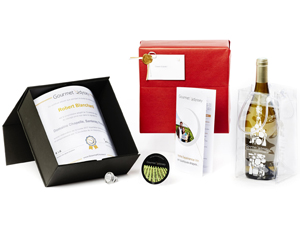
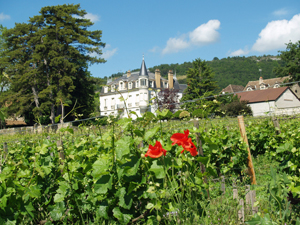
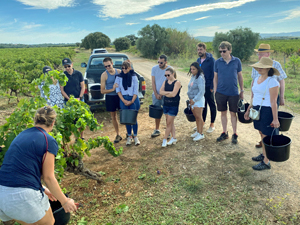
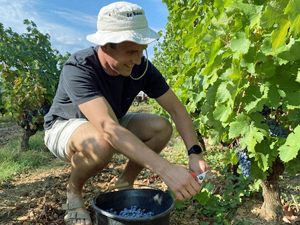
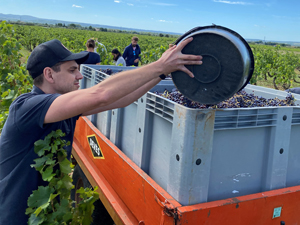
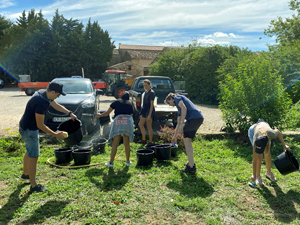
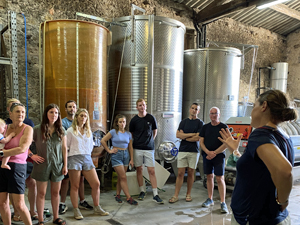
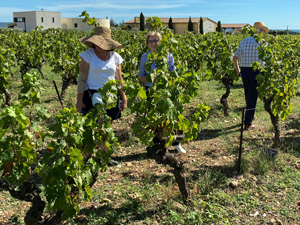
Adopt a Vine and Make Your Own Wine

with the Gourmet Odyssey Wine Experience

Visit www.gourmetodyssey.com for more information

Enjoying Wine

Original St Valentine’s Gift for a Wine Lover. Adopt a row of vines!


Find out what it's really like to be a winemaker with the Gourmet Odyssey Wine Experience gift and discover the secrets that go into making a great wine. It's the St Valentine's gift for 2012 that your loved one won't forget!

Original St Valentine's Gift for a Wine Lover. Adopt-a-vine in an organic French vineyard

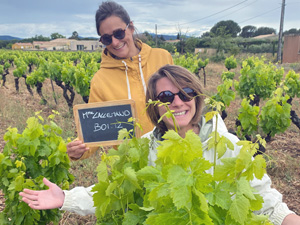
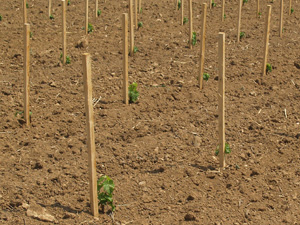
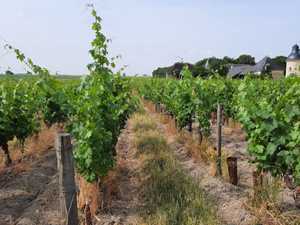
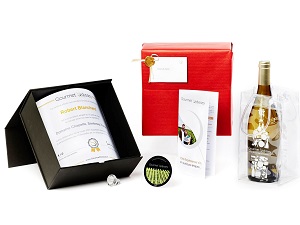
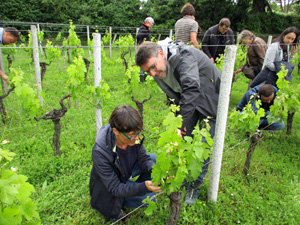
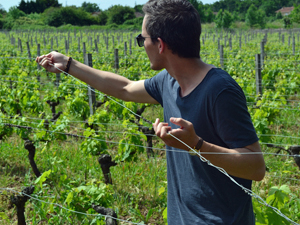
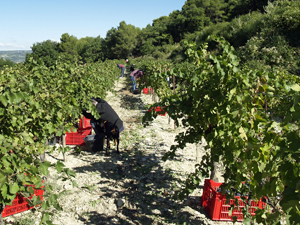
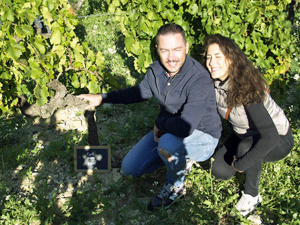
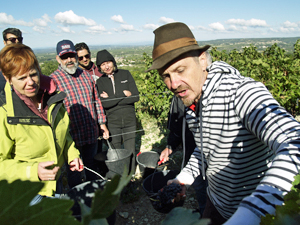
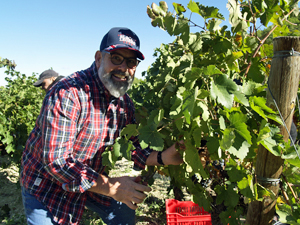
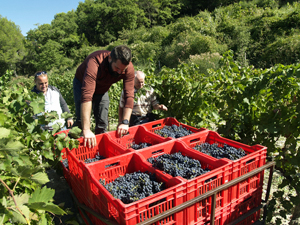
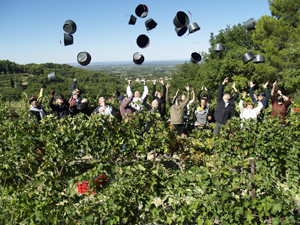
So, what's included? Your partner will become the adopted owner of a mini plot of vines in one of our organic vineyards in France, and will follow all of the key stages in making the wine. You can also include one or more of the Gourmet Odyssey Wine Experience Days at the vineyard so that you can roll up your sleeves and get involved yourself in helping the winemaker.

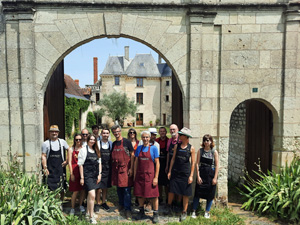
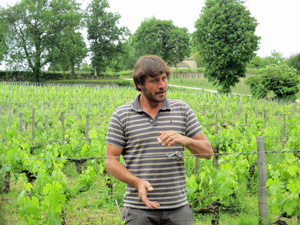
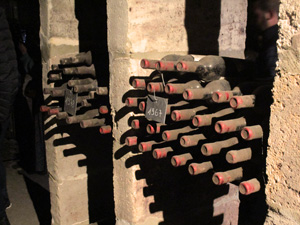
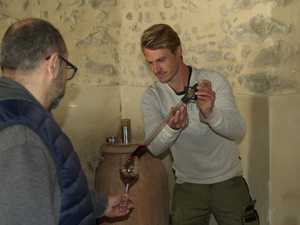
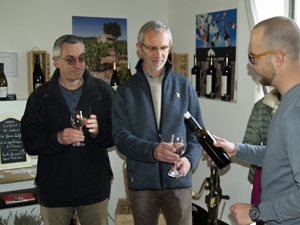
The Wine Experience Days, each valid for two people, are the ideal excuse to get away and share a weekend together in one of France's most beautiful wine regions. Alongside the winemaker, you'll learn how to cultivate the vines, harvest the grapes and blend the wines in the cellar. A wine tasting session of the estate' wine are of course included, as well as the chance to savour other regional delicacies during the winemaker's meal.

At the end of the Wine Experience, your loved one will receive their own personalised bottles of wines made with the grapes from their adopted vines.

So if you're looking for an original St Valentine's gift to surprise the wine lover in your life, why not adopt a vine! 

Follow this link for more information on the Gourmet Odyssey St Valentine's Wine Experience gift.

Add a comment

Original Christmas Gift Idea for a Wine Lover


With just a few weeks to go, the pressure is mounting to find that original Christmas present idea?

Original Christmas Wine Gift Idea. Adopt-a-vine in France and participate in an authentic Wine Experience

Don't worry - Gourmet Odyssey might have just the Christmas gift for a wine enthusiast that you've been looking for.  Not only is it an original gift experience, but it's also organic!

Adopt some vines and give an unusual wine experience gift.  Your recipient will become the adoptive owner of their plot of organic vines in France, and can also get involved in helping to make their wine at the vineyard, guided by one of our passionate winemakers during one of the Gourmet Odyssey Wine Experience days.

During these hands-on wine courses, each valid for two people, you will discover what it takes to be a winemaker, and what secrets lie behind making a bottle of great wine.  It?s also a great excuse to visit some of France's most famous wine growing regions.

Throughout the Wine Experience, you are kept updated of the key steps in nurturing the vines, the harvest, and the work in the cellar via newsletters.

And at the end of the experience, you get to choose the name of your vintage and receive a bottle of personalised wine for each adopted vine!

So how's that for a Christmas gift that breaks the mould?

Follow this link for more information about the Gourmet Odyssey Wine Experience.

Add a comment

Château de la Bonnelière distinguished by the Revue du Vin de France !


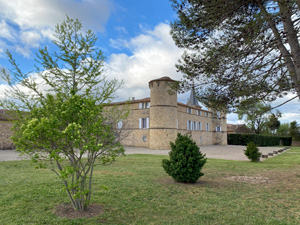
During the course of 2011 the wine tasting committee of the renowned French wine magazine, La Revue du Vin de France, has tasted thousands of wines. In the latest issue they have selected the 450 best bottles of the year, and we congratulate our partner, Château de la Bonnelière, for being included not just once, but twice!

Revue de Vin de France

The 2009 vintage of the Château de la Bonnelière Chinon received a rating of 15.5/20 and the following comments; "A perfectly mastered harvest which releases a fine juice, long on the finish, fresh, dynamic and mature. A good and regular organic winery." A nice review for the wine chosen for the Gourmet Odyssey Wine Experience clients at Château de la Bonnelière!

The second distinction was awarded to Château de la Bonnelière's "La Chapelle 2009".  Rated 16/20, the review goes on to say, "we love the finesse of the fruit and the softness of the tannins. A great Chinon to savour."

Congratulations to our partner winery for this well deserved praise.

Add a comment

Harvest Experience Day in Bordeaux


Last weekend we completed our tour for 2011 of the Harvest Experience Days for each of our partner vineyards at Château Beau Rivage in Macau-en-Médoc.  A turquoise blue sky and warm welcome were waiting for us.

The Gourmet Odyssey Wine Experience clients gathered around a cup of coffee at the start of the morning.  For some, it was the second time they had visited the estate, having already participated in the Wine Discovery Experience Day, for others it was their very first time.  We therefore started the proceedings with an introduction by Christine Nadalié, the owner and winemaker at Château Beau Rivage.

Harvest wine course to pick the grapes in the vineyard

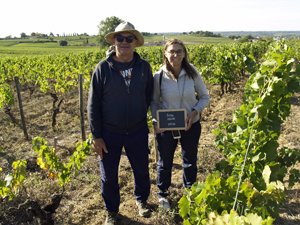
Then out into the vineyard we headed! We walked to the vineyard plot where the rows of adopt-a-vines are located.  A small sign, personalised with the name of each client, indicated the position of their vines.  There was time to take a few pictures next to the vines which had produced the precious grapes for the 2011 vintage, before getting down to some real work!

Having received our instructions from Christine, we spread out amongst the vine rows, secateurs in hand to start the harvest.  It was the last few days of this year's harvest at the domaine, and some of the grapes were showing signs of botrytis which had settled during the wet days at the start of September, so we had to do some sorting in-situ.  The healthy grapes were very ripe and oh so sweet - a real treat for our taste buds!

Pickeing the bunches of grapes during the harvest in Bordeaux

We tried two different harvesting methods on the Saturday and Sunday.  On Saturday we used a team of porters with baskets strapped to their backs.  Each time the harvesters had filled their buckets, they cried out "Porter" and emptied the grapes into the porter's basket.

Transferring the bunches of grapes to the porter

The porters then carried the grapes to the trailer, and emptied them over their heads.  With the weight of the fully laden basket and whilst balancing on a ladder, they had to keep their equilibrium!

Harvest Wine Experience Gift. Emptying the picked grapes.

On Sunday we harvested using plastic crates instead of buckets, which is gentler on the grapes.  Instead of carrying baskets on their backs, the porters wore a frame that the crates could be loaded onto to take to the van and trailer waiting nearby.  Christine wanted to test this method because the grapes are less crushed by the weight of the other bunches.

A porter collecting crates of harvested grapes

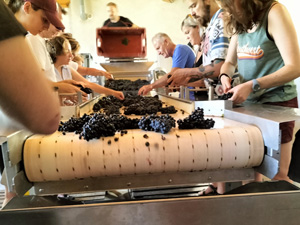
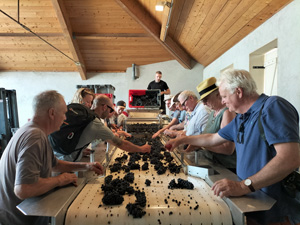
Following the grapes on their journey, we arrived at the sorting table.  Once the stems had been separated from the grapes, the berries move along the conveyor belt, giving us a final opportunity to remove any unripe or bad grapes before they enter the fermentation tank.

Sorting the grapes on the sorting table

All that activity added up to good morning's work, so the chilled rosé was most welcome!

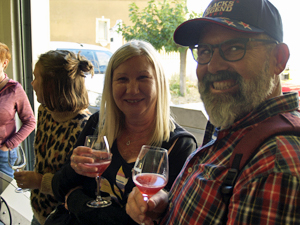
Wine Tasting. A chilled rosé in the shade of the Château

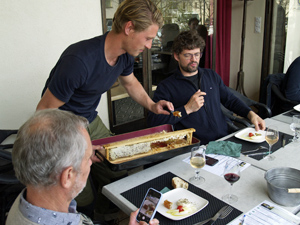
During the harvesters meal, we tasted some of the estate's other wines, starting with the "Raphaël" Bordeaux Supérieur red wine.  We then tasted the "Silvio" and the "Clementine" before the "Château Beau Rivage" 2007, which is the wine chosen for the Gourmet Odyssey clients.  We finished the wine tasting with "Le Phare", a blend of Merlot, Petit Verdot and Malbec which has been aged in 100% new oak barrels for two years, and Christine's "Clos la Bohème" Haut-Médoc red wine.

The Harvesters Meal

In the afternoon, we headed to the fermentation hall and the barrel room to complete the journey of our grapes!  Christine explained how the sugar from the fruit will be transformed into alcohol during the fermentation process.

Christine explains the fermentation process

With the help of a mustimètre, Christine measured the density of the juice from the grapes that we had just harvested.  This measure allows us to know the level of sugar in the liquid and gives a good indication of the potential alcoholic volume of the resulting wine - in this case 14.5%.

Measuring the sugar level of the grape juice

In the barrel room we saw where the 2011 wines will be aged, and where some of the 2009s and the 2010s are still resting.  With her cooper's expertise, Christine taught us about the role of oak in the making of her wines.


Visit of the cellar to see where the wine ages in oka barrels

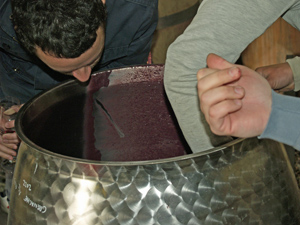
To end the day, one last tasting of the fruit of our labour, the grape juice that we had harvested over the weekend.  The verdict, a very sweet juice!  The mustimètre hadn't been lying!

Tasting the Must, freshly harvested grape juice

All that remains is to patiently await the ageing and blending of our wine...

Add a comment

Harvest 2011 at Domaine Chapelle in Burgundy


At last, the long awaited moment has arrived to start the harvest!  The villages and vineyards are a hive of activity.  Teams of harvesters are dotted amongst the vines from the crack of dawn, and the roads are filled with the tractors that go back and forth between the vineyards and the wineries, carrying their precious load.

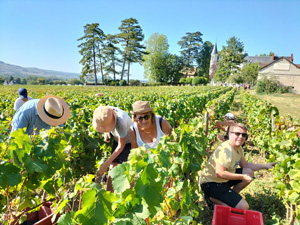
We started the Harvest Experience Days for the 2011 vintage last weekend at Domaine Chapelle in the Côte de Beaune village of Santenay.

Harvest Experience Day at Domaine Chapelle in Burgundy France

As with the other French wine growing regions, the grapes have ripened early this year.  At Domaine Chapelle the first bunches were harvested some three weeks earlier than last year!

After the quick introductions, it was straight of the Clos des Cornières vineyard, home to the adopted vines of the Gourmet Odyssey Wine Experience clients.  Jean François Chapelle lost no time in distributing our tools for the day, a pair of secateurs each, and a pile of crates to put the grapes into!

Containers at the start of each vine row to collect the harvested grapes

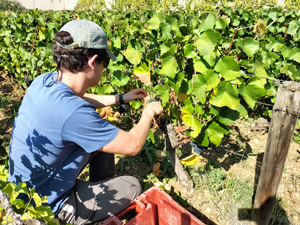
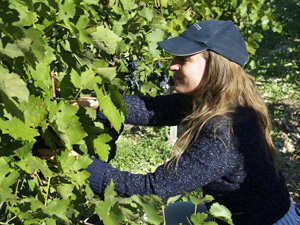
In teams of two, we spread out to take charge of a row of vines per couple, and the harvest began!  After removing some of the leaves from around the bunches, so as to better see the grapes, we used the secateurs to cut them and then we placed them in the crate.

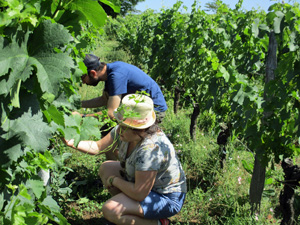
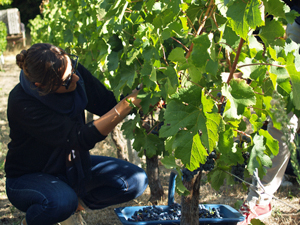
Harvesting the Grapes from the adopt-a-vines

In such a setting it's impossible to resist the temptation of tasting the grapes!  They are looking good this year, fairly large and oh so sweet!  We noticed a few damaged bunches, either some grapes that had shriveled up from the hot sun at the end of June, and some bunches where the first signs of rot have appeared, caused by the hot and wet weather that settled over Burgundy in the couple of weeks prior to the harvest starting.

Assessing the quality of the grapes

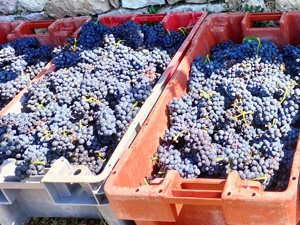
Once we had filled each crate, we brought it back to the beginning of the vine row to be picked up later, and then took a new crate to harvest some more grapes.

Filling the crates with the harvested grapes

Harvesting is a fairly physical job, especially in Burgundy where the vines are pruned close to the ground.  The aperitif was therefore very welcome!

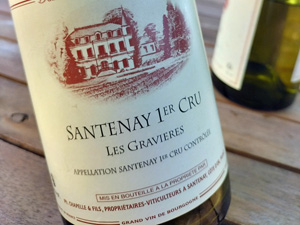
Back at the winery, we started the wine tasting session with a Santenay "St Jean" 2009 white wine, followed by a Chassagne Montrachet Premier Cru "Morgeot" 2009.  As is the custom, the wines were accompanied by some gougères, a local specialty!

Wine tasting Burgundy wines from Domaine Chapelle

During the meal, we continued the tasting with some of the winery's red wines; a Santenay "Clos des Cornières" 2007, followed by an Aloxe Corton 2007 to compare two pinot noir wines of the same vintage but from different terroirs.  We ended with a Santenay Premier Cru "Beaurepaire" 2002.

After lunch, we met back up with our harvested grapes, which had since continued their journey to the reception hall.  Here the crates, brimming with grapes, are received and emptied onto the sorting table.  Side by side with the professional team, and once again equipped with a pair of secateurs, we separated the damaged or unripe grapes from the ones which are to be used to make our wine.

Sorting the good from bad grapes on the sorting table

We saw the de-stemming machine at work which separates the grape berries from the stalks.  The stalks and rejected grapes are collected in a trailer to make compost.

The discarded stems headed for compost

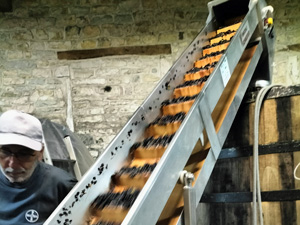
The sorting table is located above the fermentation hall, and so the good grapes continue their journey down a slide where they are collected in a trolley before being taken to one of the fermentation tanks.  Each plot of vines is vinified separately.  Yannick Jacrot, the Technical Director, and Jean François Chapelle then explained the first stages of fermentation to us.

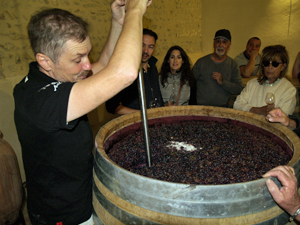
Filling the fermation tanks with the harvested grapes

We then headed down the stone steps into the cellar to see where the wines will continue their fermentation and ageing in oak barrels.

Visiting the wine cellar

All this made us thirsty again, so we had a final refreshment waiting for us; some grape juice from that day's harvest!

A big thank you to all those who shared the day with us, and especially to Jean François and his team for welcoming us so warmly during the busiest period of the winemaker's year!

Add a comment

Home Straight to the Harvest


We had to be flexible last Saturday with the Wine Discovery Experience Day at Domaine Chapelle to avoid a few showers, but that didn't stop us having a good time all the same!

Understanding the vineyards and terroir of Burgundy

We started off with a little stroll through the vines.  Jean-François Chapelle explained what makes the Burgundy terroir so special, and showed us the geological differences between the vineyards that make up Santenay village, Santenay Premier Cru and the plots used for the Burgundy Pinot Noir.

We climbed up to one of Domaine Chapelle's Premier Cru vineyards, Beaurepaire.  Some of the old vines in this vineyard have recently been dug up, so Jean-François explained how his team removed the vines and roots, and how the plot will be sowed with mustard to regenerate the soil before the new vines are planted.

Visit of the Fermentation Hall

The first rain shower arrived a little earlier than expected, so we scurried back to the shelter of the winery to continue our discussions on the work carried out in the vineyard, and we also visited the fermentation hall where the grapes are received at harvest time and put into the fermentation tanks.

Wine Tasting of Burgundy Wines at the winery

Next up was a wine tasting of some of the white Burgundy wines from Domaine Chapelle, a Santenay "Saint Jean" 2009 and a Chassgane Montrachet Premier Cru "Les Morgeots" 2009.  The wine tasting continued over our lunch of Burgundy specialties.  First, a Santenay "Clos des Cornières" 2006, the wine chosen for the Gourmet Odyssey Wine Experience, then an Aloxe Corton 2007, with a Santenay Premier Cru "Beaurepaire" 2002 to finish.

Rent a vine in a Burgundy vineyard

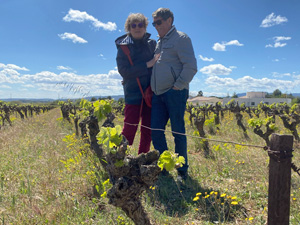
After the meal, we had a new bright patch, so we headed back amongst the vines, this time to the Clos des Cornières vineyard so that everyone could get acquainted with their adopted vines!

Visit of the wine cellar

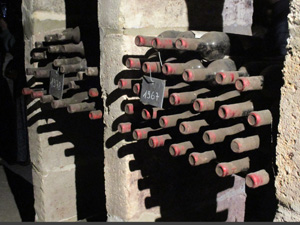
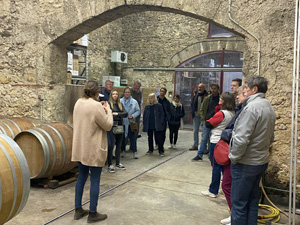
Back at the winery, we descended through the low door to the vaulted cellar which is a real labyrinth.  Here we saw where the ageing takes place in the oak barrels, and where hundreds of thousands of bottles of wine are stored!

The Wine Labeling Room

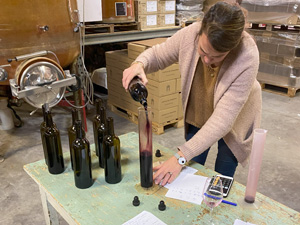
The Wine Experience Day finished with a visit to the labeling room, where one day next year the bottles of the 2011 vintage will be dressed with the personalised wine labels of the clients of the Gourmet Odyssey Wine Experience.  But there's still lots of work to be done before then - you have to be patient in the world of wine!

Add a comment

Among friends in the Chablis Vineyards


We've just spent two glorious sunny days among the Chablis vines with some of the clients of the Gourmet Odyssey Wine Experience.  With Céline, Pierre and Yvonnick from Domaine Jean-Marc Brocard at our sides, we spent the day behind the scenes to get an insight into what it's like to be a winemaker!

Explaining the terroir around Chablis

Link to the video 

To get a better understanding of the terroir around us, we stepped out onto the terrace which overlooks the vines which encircle the winery.  It's an impressive view and the perfect spot to appreciate the difference in vineyard plots that make Petit Chablis, Chablis, Chablis Premier Cru and Chablis Grand Cru wines.

Epamprage

In the vineyard, Yvonnick explained to us all of the key stages in cultivating the vines, from pruning right up until the harvest.  As is the custom with our Gourmet Odyssey Wine Experience Days, the winemakers had left us some work to do!  To concentrate the energy of the vines in the fruit bearing branches and the grapes, we needed to do some "épamprage", which involves removing unwanted shoots from the vines.  These are the shoots that won't bear any fruit this year, and won't be needed when it comes to pruning to generate next year's harvest.  The other advantage of épamprage is to improve the flow of air around the grapes to help defend the vines from mildew.

Getting stuck in

After receiving our instructions from Yvonnick, we spread out among the rows of vines to get stuck in.  But we soon found out that épamprage is not quite as easy as it seems!

Adopt-a-vine

Each Wine Experience client is the adopted owner of some vines in the vineyard.  Their vines are identifiable by a name board placed in front of them.  Once the hunt for the vines was declared open, we set off to find them and to check that everything was in order!

Organic and biodynamic wine making

The Boissonneuse vineyard, where the adopted vines are located, was the first plot to be converted to organic and biodynamic cultivation.  Yvonnick explained the difference between these two approaches, and showed us some of the plants, found at the end of the vine rows, that are used in making the biodynamic infusions and concoctions that attract unwanted insects away from the vines, or are used to strengthen the vines.

Wine Tasting of the Chablis Wines at the Vineyard

After all our efforts and all the talk about wine, the time finally came to taste some of the wines from Domaine Jean-Marc Brocard.  To get a good appreciation of the range of wines, we started the wine tasting with a Petit Chablis Sainte Claire 2010, followed by a Chablis Sainte Claire 2010, before tasting the Boissonneuse 2009, the wine chosen by Gourmet Odyssey.  We then moved on to several Chablis Premier Crus and finished with a Chablis Grand Cru Les Preuses 2009.

Exposed cut of the Kimmeridgien soil

Once we had enjoyed a lunch from the highly acclaimed Chablis charcutier, Marc Colin, we headed down into the cool or the cellar.  Here, the Brocard family has left one of the walls exposed so that we can see the layers of limestone and marl which are the source of the distinctive aromas and taste of Chablis wines.

Visit of the fermentation hall

The day finished with a visit to the fermentation hall to see the tanks and oak vats that are used to ferment and age the wines.  After a final tasting, straight from the vats, we said our goodbyes, everyone hopefully leaving with a better understanding of the fascinating profession of a winemaker!

Link to the video 

Add a comment

Under the Bordeaux Sun


We've just got back from a very hot and sunny Gourmet Odyssey Wine Discovery Experience weekend at Château Beau Rivage in Macau-en-Médoc, Bordeaux.

Wine course in Bordeaux at Château Beau Rivage

After the initial introductions, we headed straight out into the vineyard, accompanied by Christine Nadalié, the owner and winemaker. 

Chrsitine Nadalié

Christine explained the differences between the 5 grape varieties that are grown in the vineyard; cabernet franc, cabernet sauvignon, merlot, malbec and petit verdot, and talked us through each of the key stages in cultivating the grapes from pruning through to harvest.

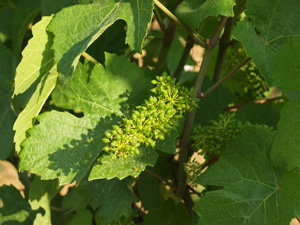
Bunch of grapes

The grapes are already well developed on the vines, and like elsewhere in France, are a couple of weeks ahead of where they would normally be.  This is a direct result of the very warm spring that we have experienced.

As is the custom with a Gourmet Odyssey Wine Experience Day, we learn by doing, so there is always some work to do!  Christine had three tasks that she had been saving up for us; épamprage, effeuillage and relevage.

Epamprage

Firstly, épamprage is the removing of the unwanted shoots that sometimes grow from the foot of the vines.  These shoots can grow as tall as the whole plant and don't produce any grapes, so if not managed, they take away nutrients and energy from the fruit bearing branches.  The smaller shoots can easily be pulled off by hand, but some of the thicker and more established shoots need the help of a small knife or pair of secateurs.

Effeuillage

The next job that Christine explained was effeuillage, which involves removing some of the leaves that cover the grapes.  There are two primary reasons for this.  One is to increase the amount of sun that the grapes receive to help them mature, and the other is to increase the flow of air around the grapes.  This is particularly important to combat mildew that can damage the grapes following a wet period.  The leaves are removed from the side facing the rising sun only.  This is because the morning sun is weaker, and in the afternoon the sun is stronger, so the shade from the leaves is welcome to protect the grapes.

Relevage

And finally we learnt about relevage.  As the vines grow taller, so the training wires for each row need to be raised to continue supporting the vines.  The wires on each side of the row are raised to the next peg up on the posts, and the wires then clipped together using a small clip.  All of the branches are placed between the wires to tidy the row up, and make sure that the vines aren't damaged when the tractor passes.

We each dispersed among the rows to put into action what Christine had taught us.  Cultivating vines if often a more manual process than you might think!

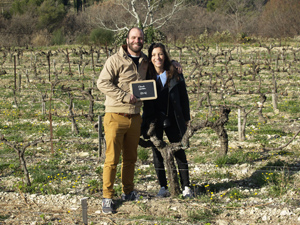
Adopt-a-vine Bordeaux

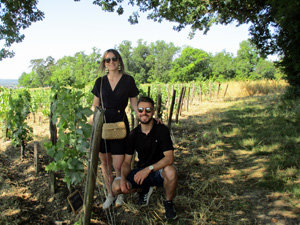
A small name board was to be found in front of the adopted vines for each client, so having perfected the tasks of the day, we each had the opportunity to introduce ourselves to the vines, take some pictures and ensure that everything was in order concerning the effeuillage, épamprage and relevage!

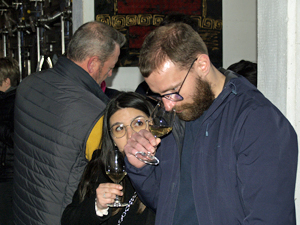
Wine Tasting

By now it was getting seriously hot in the vineyard, so back to the château it was to find some shade and start the wine tasting session! Fittingly, the first wine to be tasted was the rosé 2010, which had been chilling in the fridge!

During the meal of locally prepared charcuterie, we tasted a large range of wine from Château Beau Rivage including the 2007 and 2006 vintages of the wine selected for the Gourmet Odyssey Wine Experience,  Raphaël 2007, Clementine 2004, le Phare 2001 and Christine's Haut-Médoc wine, Clos la Bohème 2007 and 2006.

The Chai

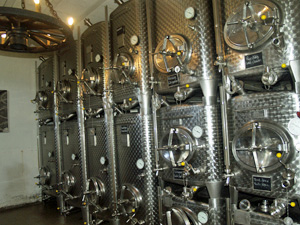
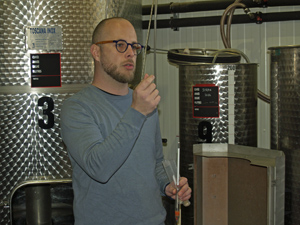
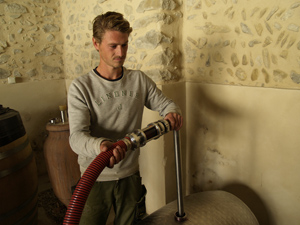
The cool of the chai was welcome after lunch.  Christine showed us the fermentation tanks used to ferment the wine, and explained how the sugar in the grapes is transformed into alcohol.

cellar tour

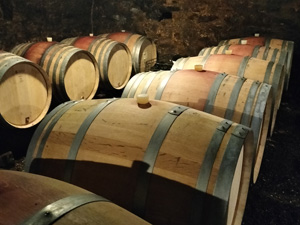
We finished the day in the cellar, where we saw the impressive collection of oak barrels that are used to mature the wines.  This part of the day, gave us an insight into one of Christine's other passions, the art of barrel making, which she has grown up with, coming from a family of coopers.

Many thanks to Christine, Guillaume and Aurélie for letting us get behind the scenes to discover a small part of the fascinating world of wine making.

Add a comment

Spend a few days in Chablis!


If you plan to explore Burgundy for a weekend or several days and visit some of the region's renowned vineyards, then you'll need a base from which to explore!  Why not book yourself into a luxury gite?

Gite at Domaine Jean-Marc Brocard, Chablis, Burgundy

La Revue du Vin De France, one of the leading French wine magazines, has just launched a special wine tourism issue.  One of the featured gites is "Le Refuge de Petit Louis", owned and run by Dmaine Jean-Marc Brocard.  This welcoming and spacious gite is available to all travellers and Gourmet Odyssey Wine Experience customers.

The perfect home from home to explore Chablis and the precious wines of Domaine Brocard!

For more information about the gite, follow this link.

Add a comment

Relevage of the Vines


Among the green and leafy vines of Burgundy, we spent last Saturday in Santenay at Domaine Chapelle for a Gourmet Odyssey Wine Discovery Experience Day.

Burgundy Terroir

From the Clos des Cornières vineyard, where the adopted vines of the Gourmet Odyssey Wine Experience are located, Jean-François Chapelle and Yannick Jacrot explained the differences in the surrounding terroir, why some vineyards are designated as Premier Cru, and others Santenay Village.

We learnt about all the steps involved in cultivating the vines from pruning through to the harvest, and as the domaine is organically certified, Yannick explained the particularities that are involved in treating organic vines.

Relevage

As always with a Gourmet Odyssey Experience Day, there is some work to do!  At this time of year, the vines are growing rapidly, and as the vine is a creeper plant, they need to be managed and held in check.   Yannick and Jean François showed us how to carry out "Relevage" and "Rognage".

Relevage is ensuring that each of the vine branches grow between the training wires, and that they are separated from one plant to another.  This helps to support the vines, and to increase the flow of air around the grapes to defend against mildew.  As the vines had grown since the last relevage, the training wires were raised up a notch on the wooden posts and then clipped together using a biodegradable clip.

Rogange is trimming the tops of the vines to direct more of the plants energy into the fruit-bearing branches.  This is predominantly carried out using the tractor, but is still done manually for some of the more fragile young vines, using a pair of shears.

Working on the vines

Explanations well understood, we then dispersed amongst the rows of vines to get to work on raising the training wires, separating and placing the branches, and trimming the tops of the vines!

Adopt-a-vine

Before heading back to the winery, there was time for each client to introduce themselves to their adopted vines!  The grapes have already started to form, and give the first mouth-watering taste of the 2011 vintage to come!

Wine Tasting Burgundy wines

After all the talk about how the vines and grapes are nurtured, it was time to taste the final product!  We gathered next to the old oak fermentation tanks in the cuverie to begin the wine tasting session of Domaine Chapelle's wines.  We started with a Santenay "St Jean" 2009 white wine, produced on the upper slopes behind the domaine that we had seen in the morning from the vineyard.  We then moved onto a more complex Chassagne Montrachet "Morgeot" 2009.

Lunch of Burgundy specialities

The wine tasting continued over lunch with the red wines, including a Santenay, Santenay Clos des Cornières, Aloxe Corton and Santenay 1er Cru.

Cuverie

In the afternoon, we headed over to the fermentation hall to see where the grapes are collected at harvest time and put into the vats, and to learn how the sugar is turned into alcohol during fermentation.
Wine cellar

The final part of the day was to visit the cellar that lies like a labyrinth below the winery buildings and courtyard.  This is where the wines are aged in a mixture of new and old oak barrels, and once bottled, are stored.

As always, thanks to Jean François and Yannick for making the day so interesting and informative!


Add a comment

More than just wine


More than just wine is the wine blog by the refreshingly no-nonsense David Cobbold. As the name suggests, his blog covers not just wine, but some of the other passions that David has, notably rugby, art, literature and motorcycles!
David is a Brit who has made his home in France, and is very well known in the world of wine as a journalist and author on all things wine.  As well as having published more than 15 books, he co-presents the InVino radio show for BFM Radio, acts as a wine advisor for many wine clubs and societies such as the Wine & Business Club events in Paris and beyond, and is one of the founders of the eccevino online wine boutique.

Add a comment

Biodynamic Wine Making in Chablis


We entered into the depths of the mysterious world of biodynamic wine making during the latest Gourmet Odyssey Wine Discovery Experience day at Domaine Jean-Marc Brocard in Chablis, Burgundy.  
Bidoynamic winemaking using cow horns stuffed with cow dung

The Wine Experience days are a hands-on and practical way for our adopt-a-vine clients to learn more about wine making and the life of a winemaker in the main French wine growing regions.

Watch the video

Chablis vineyards and terroir

To introduce us to the Chablis wine growing region, we stepped out onto the terrace at Domaine Jean-Marc Brocard to survey the surrounding vineyards.  From this great vantage point Céline Brocard-Guegen, pointed out and explained the differences in terroir between the four local appellations, Petit Chablis, Chablis, Chablis Premier Cru and Chablis Grand Cru, and briefly explained the history of the winery that her father started some 40 years ago with a small plot of vines that were loaned to him.

Walking in the Cbalis Vineyards

We then walked to the Boissonneuse vineyard, home to the Gourmet Odyssey adopt-a-vine plot.  This vineyard was the first of the winery's vines to be converted to organic and biodynamic cultivation.  We were accompanied by Yvonnick, head of biodynamics at Domaine Jean-Marc Brocard, who talked us through the various of stages of working on the vines from pruning to harvesting.   

Explaining De-budding


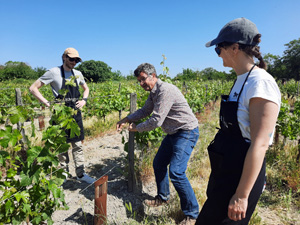
As always during a Gourmet Odyssey Wine Experience Day, there is some work involved, and the task was to de-bud the vines (ébourgeonnage).  Yvonnick explained the importance of de-budding to improve the quality of the grapes by concentrating the growth and energy of the vines into the future fruit-bearing canes.  He showed us how to select the stems to detach, and which ones were to be left alone.

De-budding - Ebourgeonnage


Each client then set off to find their adopted vines, and began putting into practice what Yvonnick had just explained.  Luckily Céline and Yyvonnick were at hand to guide us, as it's not always as simple as you would think! 

We learnt about how the vines are treated organically, and were also introduced to the world of biodynamics.  The Experience Day was planned to coincide with one of the key biodynamic events that is undertaken at Domaine Jean-Marc Brocard, the digging up of cow horns, filled with cow dung, that have been buried for six months!  First impressions of biodynamic farming are often that it is all a bit of hocus-pocus and wizardry, so you need to keep an open mind and bear in mind the underlying principles of biodynamics, that is to improve the structure of the soil, and to strengthen the natural defenses of the plant from disease.

Unearthing the buried cow horns


The cow horns had been interred in the fertile grounds of the old priory in Chablis that also belongs to the Brocard family. During the six months the cow manure ferments to form a fibrous super concentrated compost, that when mixed with collected rainwater and spread amongst the vines, helps to improve the soil structure and enhance the life of micro-organisms.

Emptying the cow horns


Our job was to remove the fermented cow dung from the horns.  Not as smelly and dirty a task as you might think!  In fact the cow dung has a sweet and rich aroma!

Wine tasting Petit Chablis, Chablis, Chablis Premier Cru and Chablis Grand Cru


Intrigued, amazed, disbelieving, no one was left indifferent as we returned to the winery to finally taste some of the wines from Domaine Jean-Marc Brocard, including the Petit Chablis Sainte Claire 2009, Chablis La Boissonneuse 2009, Chablis Premier Cru Vau de Vey 2009, Chablis Premier Cru Vaulorent 2008, Chablis Grand Cru Valmur 2008 and ending with the Chablis Grand Cru Les Preuses 2009.

Lunch


During the meal of local Chablis charcuterie and cheese, we continued the wine tasting with a Chablis Premier Cru Montmains 2002 and the domaine's Irancy 2008 red wine.

Wine Tasting from the fermentation vats


The afternoon finished with a tour of the fermentation hall to see the mix of oak and stainless steel vats that are used to ferment and age the wines.  A final tasting was in store of the unfinished 2010 wines, direct from the vats!
Many thanks to Yvonnick and Céline for giving us an insight into the life at the winery, and for introducing us to the weird and wonderful world of biodynamic winemaking!

Watch the video

Add a comment

De-budding in Burgundy


Under the blue skies of Burgundy, we spent last weekend at Domaine Chapelle with some of the Wine Discovery Experience Day clients.  The aim of the day is to learn more about making wine in a very practical way and to get behind the scenes to find out what it's really like to be a winemaker.

Watch the video (french langauge)


Burgundy vineyards

After the initial introductions, we headed straight out into the Clos des Cornières vineyard, where the adopted vines of the clients are located.  With the panoramic views of the surrounding vineyards, Jean Françcois Chapelle began by explaining the difference in terroir between the vine plots used for Premier Cru, Santenay village, Burgundy red, and Santenay village white wines.  Something which is much easier to understand with the landscape in front of you than by looking at a map!

Cultivating the vines organically
 

We learnt about all of the key stages in cultivating the vines from pruning, treating the vines organically, right through to when the grapes will eventually be fully ripened come harvest time.  Much like the other wine producing regions of France, Burgundy has had a very warm and sunny April, which means that the vines are currently some 3 weeks in advance of a normal year.  It's still too early to predict exactly when the harvest will be, but it will almost surely be sooner than usual.

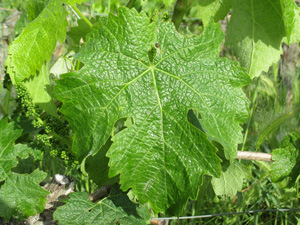
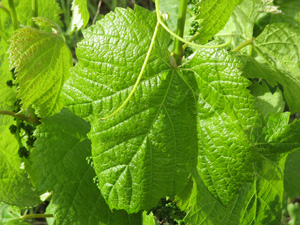
The difference betwwen Chardonnay and Pinot Noir Vine Leaves
 

The adjacent vineyard is planted with Chardonnay vines, so we took a look at the difference in the vines, the different pruning methods used and compared the foliage of the pinot noir and Chardonnay vines. 

De-budding


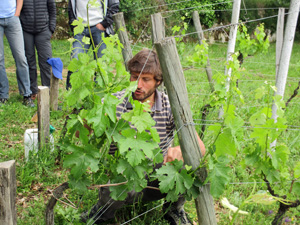
Back in the Clos des Cornières vineyard, time to get down to some work!  The essence of a Gorumet Odyssey Wine Experience Day is to learn about wine making by touching, seeing, doing, tasting and smelling.  Jean François had left a few rows of vines to be de-budded.  He explained the importance of removing some of the vine shoots to concentrate growth in the future fruit-bearing shoots, which will help improve the quality of the grapes, and showed us how to select which shoots to break off.  Easy! We each settled in front of some vines, looked at each shoot, remembered what Jean François had told us, and then froze as the realisation of the responsibility that had been placed upon us hit home. No-one wants to choose the wrong shoot to detach!  Luckily Jean François and Yvette Chapelle were at hand to guide us, and soon the pace of activity increased!

Rent-a-vine sign in the Burgundy vineyard


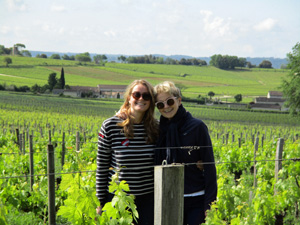
Signs had been placed in the vineyard to mark where the adopted vines of each client are located. Time was set aside to search out each client's mini plot of vines.  The cameras came out, various poses were adopted, some set about weeding around their vines, and others even started murmuring sweet nothings to encourage their fertility!

Wine tasting in the courtyard Domaine Chapelle, Santenay, Burgundy
 

After the effort, time to head back to the winery for a well earned aperitif!  In the shade of the courtyard, we began the wine tasting, accompanied by some Gougères, a delicious cheese pastry specialty from Burgundy.  We started with Domaine Chapelle's Santenay "St Jean" 2009 white wine, a crisp and mineral chardonnay from the upper slopes above the domaine that we had seen from our time in the vineyard.  Next we tasted the Chassagne Montrachet  "Morgeot" Premier Cru 2008 white wine, a more fruity and complex wine.

Lunch, including boeuf bourguignon and local cheeses, was served in the reception hall, whilst the wine tasting continued with the red wines. First a comparison of the Santenay Village "Clos des Cornières" 2009 and 2006 (the wine selected for the Gourmet Odyssey Wine Experience), followed by the domaine's Aloxe Corton 2007, and finally the Santenay "Beaurepaire" Premier Cru 2002. 

Visit of the fermentation hall

The cool of the cuverie and cellars awaited us in the afternoon.  First an introduction to how the grapes are received at harvest time, sorted, and ferment in the tanks.

Visit of the cellars
 

Ducking our heads, we descended into the vast cellars where the 2010 wines are currently ageing, and some 130,000 bottles are stocked.  Jean François explained the ageing process, and the choice of oak barrels used.

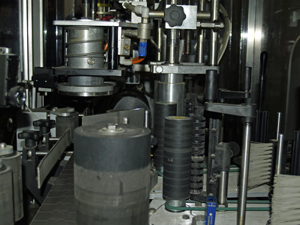
The wine labelling station
 

The visit ended with an explanation of the bottling and labeling stations, the final stage in preparing the wine before it is packaged up and dispatched to be enjoyed far and beyond the small village of Santenay!

A very warm thanks to Jean François and Yvette for sharing their passion with us, and for giving us an insight into the many and varied facets that make up the life of a winemaker.

Watch the video (french langauge)


Add a comment

Amongst the Chablis vines for a Wine Discovery Experience Day


Last Saturday we were at Domaine Jean-Marc Brocard in the heart of the Chablis vineyards for a Gourmet Odyssey Wine Discovery Experience Day.  The objective for the day, to learn more about cultivating the vines, and biodynamic winemaking.

In the Middle of the Chablis vineyards for the Wine Dicovery Experience Day

Céline Brocard, the daughter of Jean-Marc, welcomed us to the winery in the magnificent reception room that overlooks the estate's vineyards which surround the building.  Céline introduced us to the region and winery, and from the balcony explained the difference in the terroir of the Petit Chablis, Chablis, Chablis Premier Cru and Chablis Grand Cru.

Explanation of Petit Chablis, Chablis, Chablis Premier Cru and Chablis Grand Cru vineyards


We were fortunate to have a crisp blue skied day.  After equipping ourselves with boots and warm coats, we headed off directly for the Boissonneuse vineyard, where the adopted vines of the Gourmet Odyssey Wine Experience clients are located.  We were accompanied by Yvonnick, a modern day "druid" who is in charge of the biodynamic culture at the estate, and passionate about working in harmony with the environment and nature's rhythm.  Under his expert guidance, we learnt why and how to prune the vines, and realised that pruning vines is not as simple as it seems!
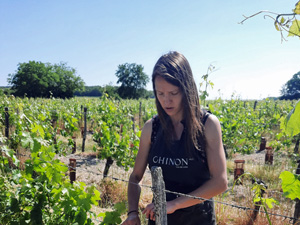
Learning how to prune the vines


Yvonnick then explained the fascinating principles of biodynamic farming, explaining the difference between organic and biodynamic, and how the biodynamic treatments are prepared using plant infusions, cow manure and silica, and how they are applied to treat the vines. 

Explanation of biodynamic wine making


After a few hours spent outdoors, the relative warmth of the cellar was very welcome!  At one end of the cellar, the wall has been left in its natural state to expose a cross section of the earth that characterises the Chablis terroir; Kimmeridgian strata composed of alternating limestone and clay marl.  The cellar was the location for our wine tasting session of the estate's organic Chablis wines, including a Chablis "vielles vignes", the Chablis from the Boissonneuse vineyard, several Chablis Premier Crus and a Chablis Grand Cru "Les Preuses".  The gougères, a Burgundy specialty, helped keep the hunger at bay before tucking into the Chablis Ham, served at lunch overlooking the vines!
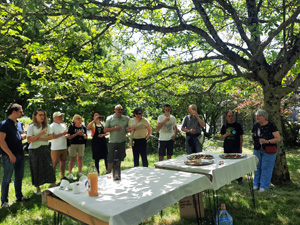
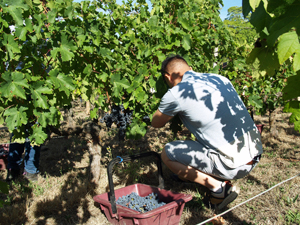
Wine tasting session in the celllar


In the afternoon, we headed down to the wine making building to get an introduction into the vinification side of things, and finished with a final wine tasting, direct from the oak casks, of a few of the 2010 wines that are still ageing.

Wine tasting direct from the oak casks
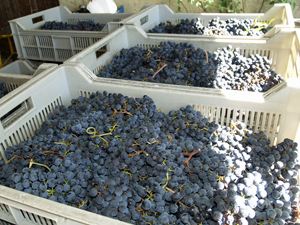
Another great day that once again helped better understand the care and effort that is needed to make a quality wine!
Add a comment

What makes French Organic Wine, Organic ?


The number of French organic wine producers is increasing each year, at a rate of 20-25% in terms of organic vine surface area, according to the Fédération Nationale Interprofessionnelle des Vins de l'Agriculture Biologique.

But what does it mean exactly when we talk about "French organic wine"?

Certified French Organic Wine Label


To put it simply, organic wine is a wine that is made from organically grown grapes, and that has had no chemical additives or other unnatural substances mixed in during the fermentation and maturing stages.

In France, consumers look for the "Agriculture Biologique" label to know whether a wine is organic or not, but beware ; presently, this label only certifies the manner in which the grapes are cultivated, and not the way in which the wine is actually made once the grapes have been harvested.  The European Commision is currently formalising the rules to resolve this issue in its Orwine project.  More to come soon hopefully on this. UPDATE - SEE ARTICLE NO TO EUROPEAN ORGANIC WINE ?


Cultivating Organic Vines

Let's start in the vineyard.  To cultivate organic vines, the use of all chemical fertilizers, herbicides and pesticides is banned.  The systematic and repetitive use of these products can do much direct and indirect harm; on the insects, which has repercussions on the food chain and fertilisation of plants; on the natural plants which are important to sustain the balance of nutrients in the soil and to limit the effects of soil erosion; and on the wine makers who have to handle the chemical products, without even talking about the effects on the consumers themselves.

Prevention.  That is the key to organic cultivation.  Instead of using chemical products to treat diseases, organic winemakers use natural preventative measures.  For example, to reduce the risk of disease and rot linked to wet weather, the vineyard manager removes excess leaves and shoots to help the air circulate better between the bunches of grapes, thus helping them to dry quicker.  Copper and sulfur are the only products that are allowed to be added to the soil, to prevent mildew and oidium.

The soil is worked manually or by machine in place of weed killers, which help the microbes in the soil to prosper, and thus to be better aerated and its quality enriched.

Natural nutrients are returned to the soil as much as possible.  For example, the pruned vine shoots are crushed in between the rows of vines, and the marc (skin, seeds and stalks that remain after the grapes are crushed) is spread in the vineyards.


Organic Wine Making

At the time of writing, the French organic wine specifications do not apply any obligation in terms of the wine making, but in reality, the majority of wine makers that have taken the time and effort to cultivate organic vines, strive to express the taste of the grapes, the terroir and their work as naturally as possible.

In general, organic wine contains levels of sulfites much lower than normal wine (at least -50%), and the wine makers don't add sugar, other additives or genetically modified organisms that can change the aroma, colour, or taste artificially.


The Philosophy Behind Organic Wine

Often the journey to becoming organically certified prompts the wine maker to ask him/herself other questions.  What other actions can they take to better respect the environment and the wine? For example, reorganising the reception hall in the winery to use gravity as much as possible in carrying the grapes into the vats instead of pumps.  Or using old vats to collect rainwater that is then used to clean the tractors and machinery.


How to choose an Organic Wine?

As with all wines, we believe that they are best appreciated when we know the story behind where the wine comes from; the wine estate, the terroir, and the people involved.  It is therefore recommended to:

  • Read articles and reviews on organic wines and organic wineries in the wine press and guides
  • Ask your local wine merchant what organic processes have been used in making the organic wines from each winery
  • Or best of all, get out, discover and meet the organic winemakers at their estate.

Two recent guides that we appreciate on French organic wine are Le Guide des meilleurs Vins Bio de France (Gault Millau) and Carnet de Vigne Omnivore (Hachette Pratique), both of which are unfortunately only available in French.  If you have a French organic wine guide in English that you have found useful, please share!


We will be taking a look at biodynamic wine in a future article, and explaining what makes it different to organic wine.

Add a comment

We’ve heard of Ice Wine, but Ice Cider ?


We were at a wine tasting evening last night in Paris at a great event organised by Oh! Vino.


Ice Cider

We tasted some good Spanish Riojas, but unfortunately got there too late for the vintage bottles bought at La Tour d'Argent auction last December :-(

The highlight was this Cryomalus Ice Cider from the Antolino Brongo Estate in Québec. A taste of golden apples, sweet but still very fresh. A true delight that should go well with an old Comté, some foie gras, or maybe even a curry.

As with the production of ice wine, ice cider is made from fruit that has been left out in the freezing winter temperatures.  At Antolino Brongo, the ripe apples are picked from the trees, and then left outside on pallets to freeze until ready for pressing.  After a 6 week fermentation period, and then a further 6 months ageing in stainless steel tanks and the bottles, the ice cider is ready to be enjoyed.

Bottles of the Cryomalus Ice Cider are available in France through Oh! Vino.  We're not sure where else in Europe it's available, but the Antolino Brongo Estate should be able to let you know how to get hold of it. 

Add a comment

Share |
RSS

About the blog

What to get the person that has everything ?

Adopt a Vine in France and Let Them Follow the Making of Their Own Wine !

From € 149

Tags

Adopt-a-Vine Biodynamic Blending Bordeaux Burgundy Chablis Experience Fair Gift Grapes Harvest Oenology Organic Tasting Vines Vineyard Vinification Wine Winefair Winemaking

All Tags

Categories

Archive

Last Comments

Links