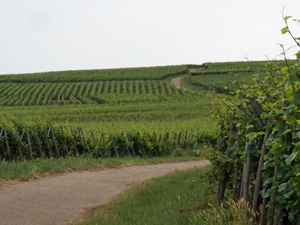
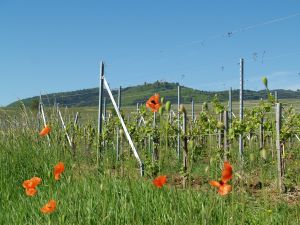
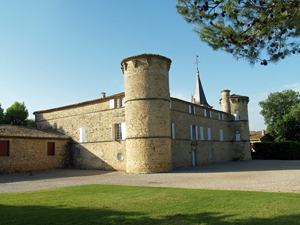
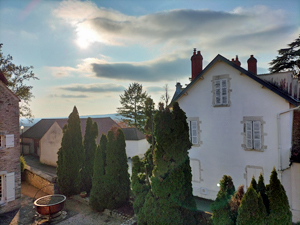
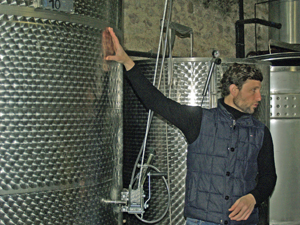
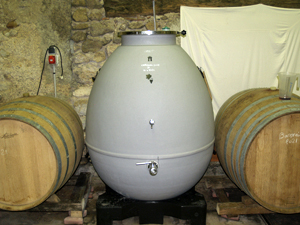
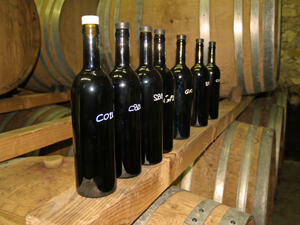
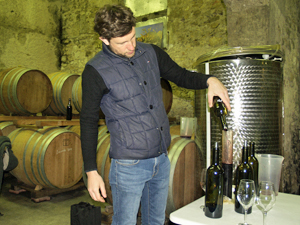
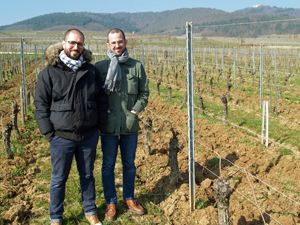
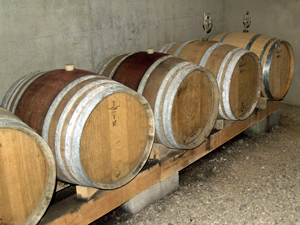
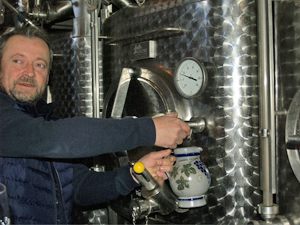
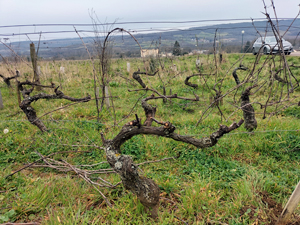
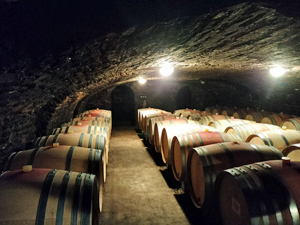
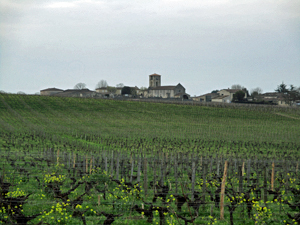
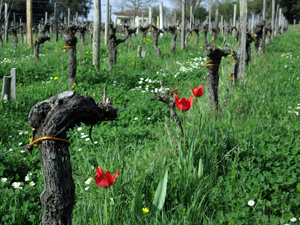
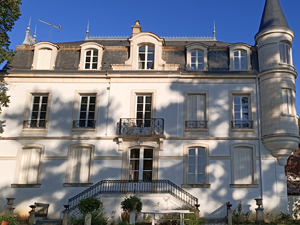
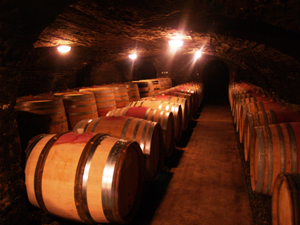
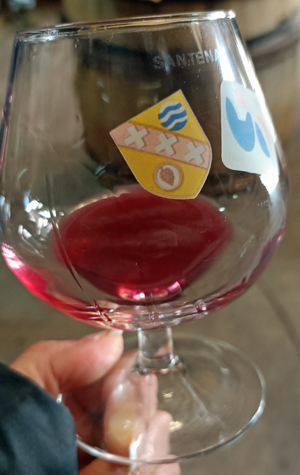
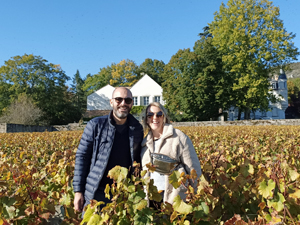
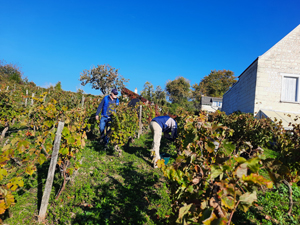
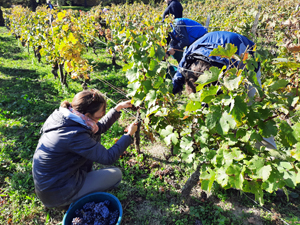
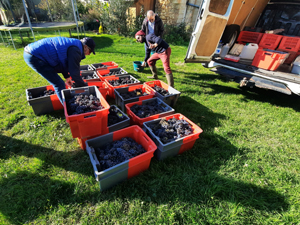
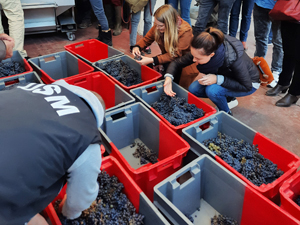
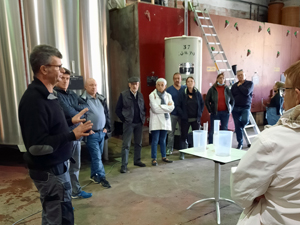
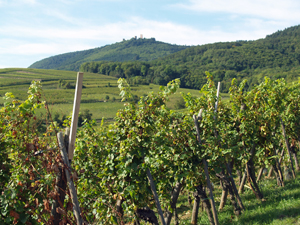
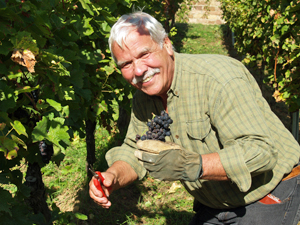
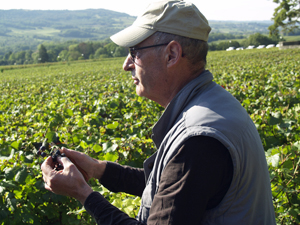
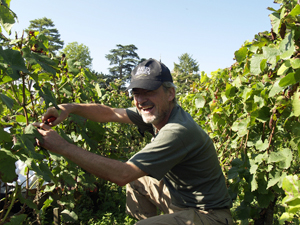
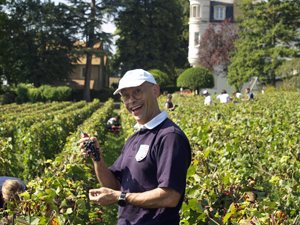
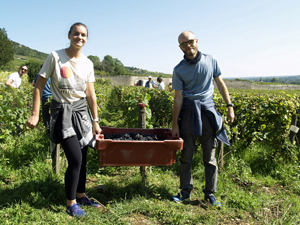
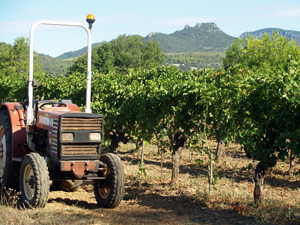
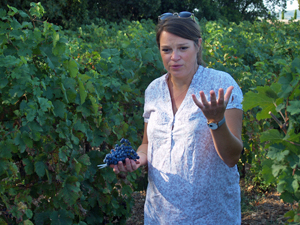
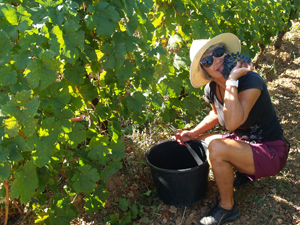
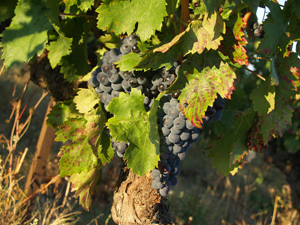
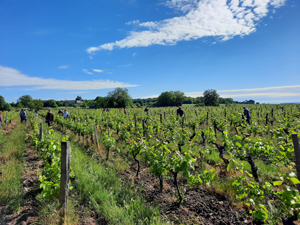
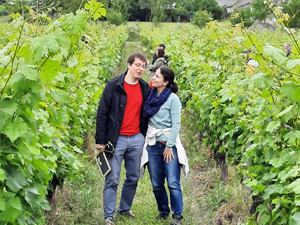
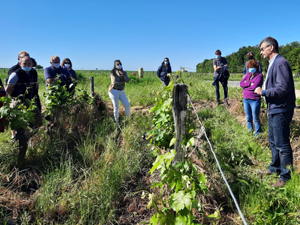
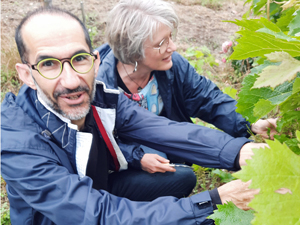
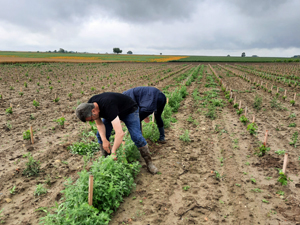
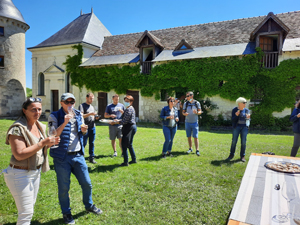
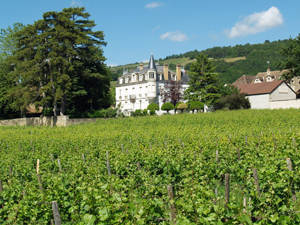
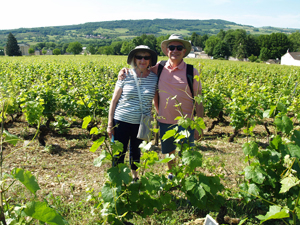
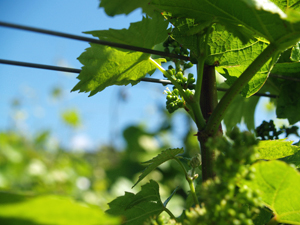
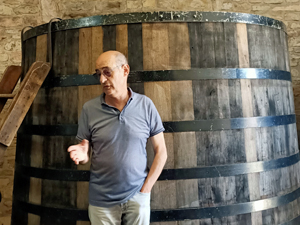
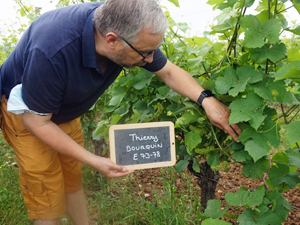
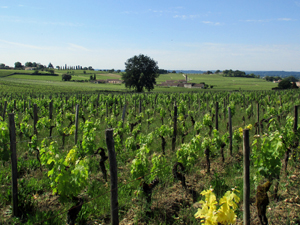
Winter is not yet officially upon us, but the Chablis valleys have already been whitened...
Chablis - La Boissonneuse 2008
Gourmet Odyssey will be one of the select exhibitors at the Rare Brand Christmas Market at the Goodwood Racecourse in West Sussex.
This event brings together a wide range of small, independent boutique brands that offer unique and original Christmas gift ideas. So if you're looking for an original Christmas present, come to the Rare Brand Market, and make sure you visit us at the Gourmet Odyssey stand!
Opening Times of the Rare Brand Christmas Market:
Wednesday 17th November, 9am to 8pm
Thursday 18th November, 9am to 5pm
Goodwood Race Course, Goodwood, Chichester, West Sussex, PO18 0PS
Now that the harvest is over for the majority of producers, the winemakers are back out on the road in a busy schedule of wine fairs until the end of the year.
Fancy trying one of our partner wines, and meeting the winemaker ? Check out the schedule below. To receive an invitation, please contact us.
Château Beau Rivage
12-15 November, Salon des Vignerons Indépendants, Reims
19-22 November, Salon des Vignerons Indépendants, Lille
25-29 November, Salon des Vignerons Indépendants, Paris (Porte de
Versailles)
Domaine Chapelle
17-19 November, La Bourgogne à l'Hôtel Napoléon, 40 avenue de Friedland, 75008 PARIS (Private Tasting - Invitation Only. Please contact us to receive an invitation)
Domaine Jean-Marc Brocard
10-11 December, Le Grand Tasting, Carrousel du Louvre, Paris
20 January 2011, Terroirs & Signatures de Bourgogne, Old Billingsgate, London
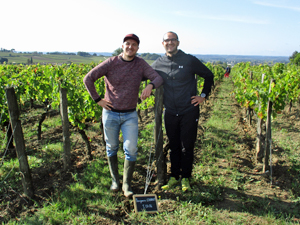
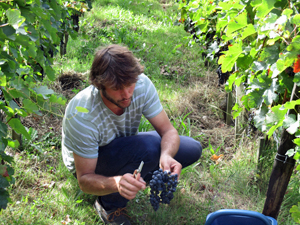
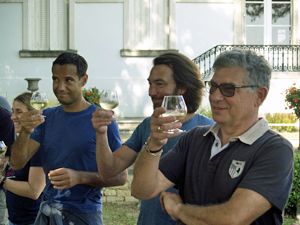
Last weekend we were at Château Beau Rivage, in the Bordeaux region, to get involved in the harvest with some of the Gourmet Odyssey Wine Experience clients. We had a great time, mixing work in the vineyard, getting to know the winemakers and sharing their knowledge, and of course tasting some great wines!
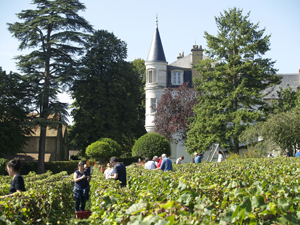
After a brief introduction to the winery, Christine (the owner and winemaker) and her team, we headed off to the vineyard, each carrying a basket and pair of secateurs. Christophe explained the differences between the five grape varieties grown in the vineyard, the work involved in bringing the grapes to maturity, and what to look out for to know when the grapes have reached the ideal moment for harvesting.
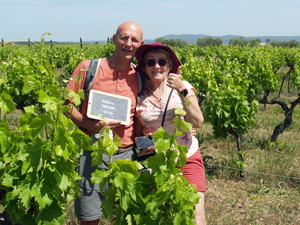
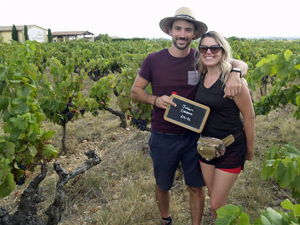
Before starting to harvest, we made our way to the part of the vineyard where the Gourmet Odyssey vines are located, so that each client could find their adopted vines. To help identify the vines, Château Beau Rivage had engraved wooden signs, specially for the clients of the Harvest Experience Day, at the barrel-making firm that belongs to Christine's family.
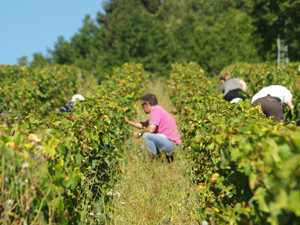
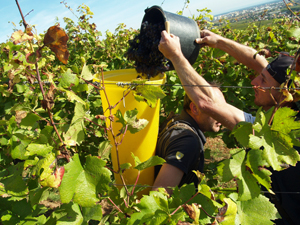
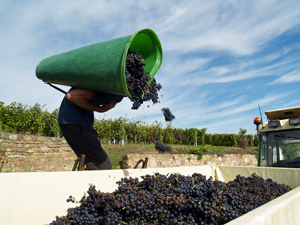
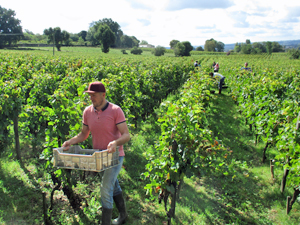
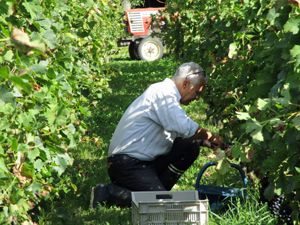
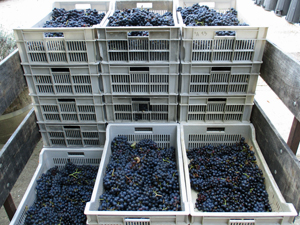
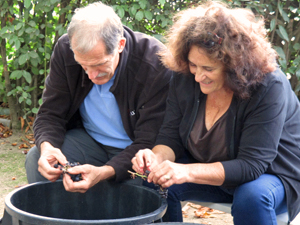
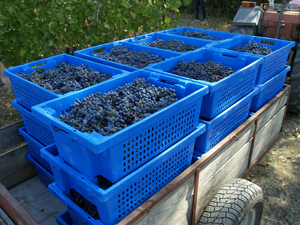
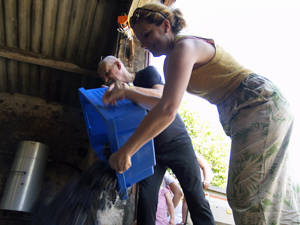
Christine threw out a challenge to us to fill a trailer! In pairs, each on opposite sides of a row, we began to harvest the Merlot plot that was at the peak of its maturity. A few songs and the regular cry of "Porter" added to the snip snip of the secateurs and the rustle of leaves. Once the baskets were filled, the harvester called for the porter, and empties the picked grapes into the basket that the porter carries on his back. Having collected the bunches from the different teams of harvesters, the porter then empties his basket into the trailer, which starts to fill little by little.
The work of the harvester and porter is very physical, especially if done day after day for a couple of weeks. Luckily, our mission was finished in a little over two hours, and a wine tasting session and harvester's meal awaited us back at the château!
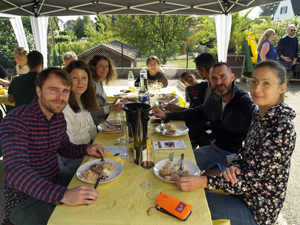
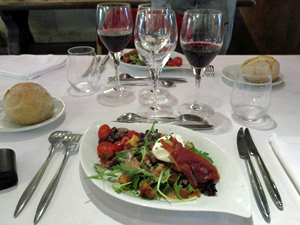
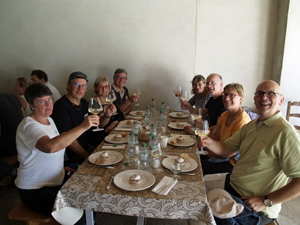
The first wine we tasted was the Château Beau Rivage Clairet 2009, a fresh Bordeaux style rosé, served with local charcuterie. Accompanying the duck and gizzards salad, we tasted the Château Beau Rivage 2005 and 2003 vintages, and the Clementine 2004. During this time, Christophe started the barbecue by lighting the dried vine branches that would cook our delicious steak bordelaise, served with a gratin dauphinois and a carafed Clos la Bohème 2007, and the Phare 2002. Once the cheese and home-made chocolate cake were also finished, it was time to get back to work!
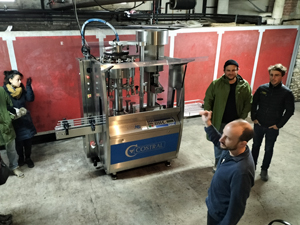
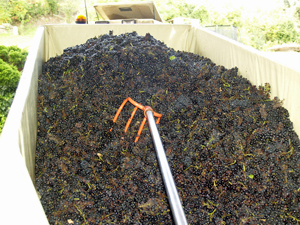
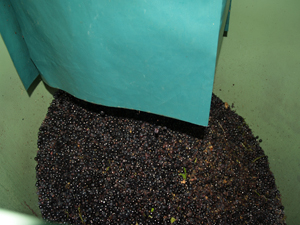
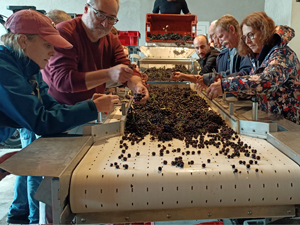
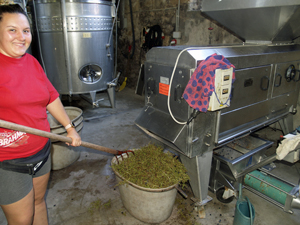
The tractor reversed the trailer full of harvested grapes to the reception area. The grapes climb up a mechanized ladder from the trailer to the de-stemming machine, where the grape berries are separated from the stalks. We all gathered round the sorting table to remove any bad grapes or stems that managed to get through the machine. There were very few rotten grapes this year, which helped us with the sorting!
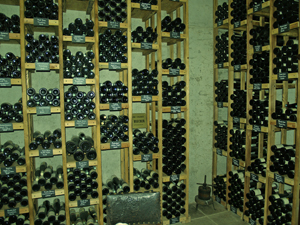
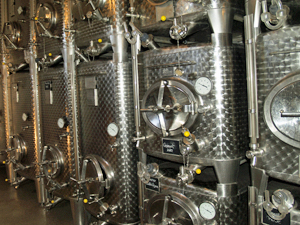
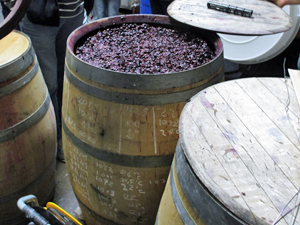
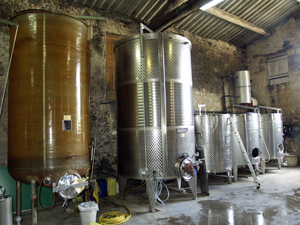
Once the sorting was finished, we entered the winery to learn more about the first stages of fermentation which turns the grape sugar into alcohol. We watched a "remontage" happen, where the must (grape juice) is drawn from the bottom of the vats and pumped back into the top to mix with the grape skins that remain at the top. This process is very important to ensure that the tannins and colour from the grape skins are best extracted to help improve the quality of the wine. We tasted the sweet tasting must directly from the vat, to better understand firsthand about fermentation.
After a quick tour of the cellar to see the barrels that are currently holding the 2009 vintage, and some cleaning of the tools used during the day, the time had come to say our farewells. A huge thank you to all the clients, and to the staff at Château Beau Rivage for having brought such energy and good cheer to this harvest experience day.
Last weekend, we had the pleasure of welcoming the Harvest Experience Day 2010 clients at Domaine Chapelle, with a few drops of rain, but in good cheer! Everyone was looking forward to harvesting their grapes, now finally ripe for making the 2010 vintage.
A few morning rain showers meant that we changed the order of the day a little. After the introduction to the region and the wine estate by Jean François Chapelle, we headed off to the reception hall where the grapes, freshly harvested by the team of 40 harvesters, are received to be inspected by the expert eyes of the sorting table team.
Yannick, the Vine Manager and, during harvest time, manager of the sorting team, explained and showed us how to separate the good grapes from the bad, thus ensuring that only the best continue their journey into the fermentation tanks. Around the sorting table, the atmosphere is very jovial, and the jokes fly around.
Once sorted, the good grapes enter the destemming machine to separate the grapes from their stems. The stems are then collected together with the rejected grapes, part of which will be turned into compost to nourish the vines for the next harvest, and the rest used to make the strong liqueur, Marc de Bourgogne.
Domaine Chapelle boasts a new reception hall which was completed just in time for last year's harvest. It was engineered to make the handling of the grapes as gentle as possible to help further improve the quality of the wine. And so instead of the grapes being pumped, as is the case in many wineries, they slide by the force of gravity into the awaiting trolley below.
The trolley is then wheeled by hand to one of the vats where each vineyard plot is fermented individually. The grapes and their juice enter the vats to ferment, which can last between 10 and 25 days depending on the year.
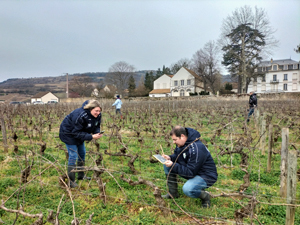
By this stage, the rain had now stopped, and so arrived the moment that everyone was waiting for! Down to the vineyard, booted up and armed with secateurs to harvest the grapes. Each client introduced themselves to their adopted vines, identifiable by a sign with their name on, and after a quick lesson by Jean François on which grapes to pick, it was time to knuckle down to work! And we can testify that the harvest was a good one!
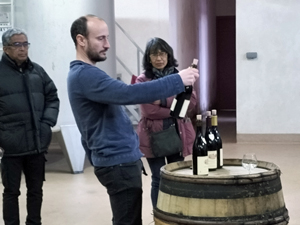
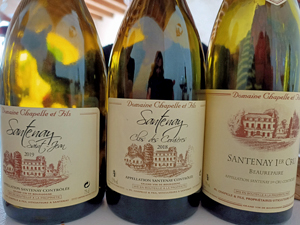
After the effort, the just rewards! Back to the winery for the wine tasting, accompanied with gougères, a local Burgundy specialty. We started with Domaine Chapelle's Meursault 2008, followed by the 2003 and 2005 vintages of their Santenay "Clos des Cornières", the wine chosen for the Gourmet Odyssey Wine Experience. Jean François explained the difference between the two vintages, which is very pronounced due to the heat wave of 2003. We then finished with the Gevrey Chambertin 2007 and the Santenay Premier Cru "Beaurepaire" 2002.
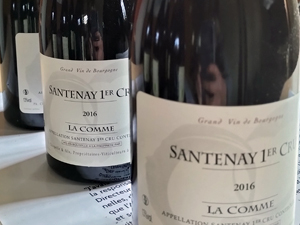
Next, off to the make-shift harvesters' refectory, to savour one of Yvette Chapelle's legendary harvesters' meals. Yannick had spoken of them in hallowed terms during the last Wine Discovery Experience Day, and we weren't let down! Parsley ham, followed by beef, stewed in an Aloxe Corton (one of the estate's wines) sauce, regional cheeses, and a delicious apple tart, all accompanied with a Santenay Premier Cru "La Comme" 2002. Difficult to get moving again after such a feast!
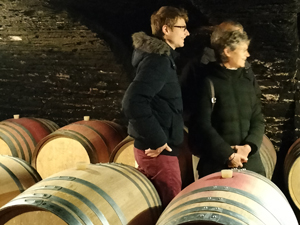
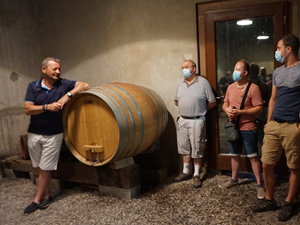
We finished the day with a guided cellar tour. Yannick explained the important ageing and blending side of winemaking, and the impact that the choice of wine barrels has on the wine.
To sum up: A very pleasant day, full of encounters, sharing and conviviality. We hope that everyone left with a small insight into the life of a winemaker during the busy harvest season, and that the next drop of Domaine Chapelle's wine will be that much more appreciated!
The annual wine festival, the Saint Vincent Tournante, will be hosted by the Burgundy village of Corgoloin on the 29th and 30th January, 2011. Corgoloin is one of the villages that make up the Côte de Nuits appellation.
The Saint Vincent Tournante dates back to the middle ages to pay homage to the patron saint of winemakers, Saint Vincent of Saragossa. The festivities had almost disappeared until the founders of the "Confrérie des Chevaliers du Tastevin", wine brotherhood, relaunched the tradition in Burgundy in 1934. By the end of the 1990?s, the festival was so successful that it attracted over 100 000 people over the weekend, making the event unmanageable logistically and financially.
Today, the festival has been reduced in size, but there were
still some 40,000 visitors last year for the Saint Vincent
Tournante 2010 in Chassagne Montrachet.
During the festival, a procession is led through the selected
village on foot, with each of the 80 wine brotherhoods
"confréries" being represented by people in costume and their
statues of Saint Vincent. The procession is followed by a
religious mass and a traditional meal of pig for the families of
the members of the brotherhoods.
The other big event of the weekend is the wine tasting of the wines selected for the Saint Vincent Tournante.
If you are planning on going, make sure you reserve your accommodation well in advance!
More information on the Saint Vincent Tournante can be found on the following sites:
Confrérie des Chevaliers de Tastedevin
Saint Vincent Tournante 2011 (From September 2010)
Congratulations to our partner, Château Beau Rivage, who picked up a gold and silver medal at the Concours de Bordeaux 2010 in the Bordeaux Supérieur category.
|
|
A gold medal for the Raphaël 2007, and a silver medal for the Château Beau Rivage 2006, the wine chosen for the clients of the Gourmet Odyssey Wine Experience.
The medals were awarded at the Salon de l'Agriculture d'Aquitaine, and follow on from the other medals that the winery has won this year at the Salon de l'Agriculture in Paris and the Concours des Vignerons Indépendants.
Last Saturday, we spent a sunny day on the banks of the Garonne river with clients of the Gourmet Odyssey Wine Experience at Château Beau Rivage.
After a brief introduction to the region and the winery, we headed straight out into the vineyard with Christophe Issartier from Château Beau Rivage.
Christophe showed us the differences between the five grape varieties grown on the estate, merlot, cabernet sauvignon, cabernet franc, malbec and petit verdot, and explained the work that has been done thus far in cultivating the vines.
There was a surprise awaiting the clients when they met their adopted vines.
Christine and Christophe had arranged for the family cooperage to make wooden sign posts with the name of each client of the Wine Discovery Experience Day burnt into the wood. The clients could take them away with them at the end of the day, and those clients who will be coming back for the harvest experience day chose to leave them to age next to their adopted vines before reclaiming them!
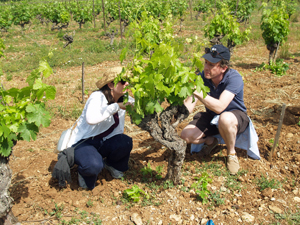
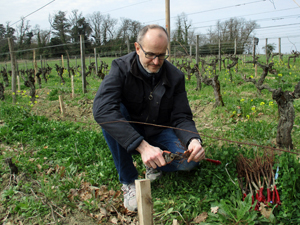
We then made our way to the petit verdot vines for some leaf removal work, "effeuillage". At Château Beau Rivage, the petit verdot vines are the first to be worked on in this way because their grapes take the longest to ripen because of their relatively thick skins. Conversely they are the last vines to be harvested.
The work consisted of removing some of the leaves from around grapes that are already well formed. This task enables more sunlight to reach the grapes, allowing them to ripen faster, and also for a better circulation of air, which reduces the risk of rot.
After the couple of hours spent in the vineyard under the baking sun, the wine tasting session in the shade of the trees was most welcome!
To start with a Joly Rivage 2009, the claret that is produced by the winery, followed by a Château Beau Rivage 2006 and 2002, before finishing with the Clos de Bohème 2005 with the meal.
The afternoon started in the "chai" with an explanation of the work that will be done during the harvest time to receive the grapes and start the fermentation process in the vats. Each grape variety is fermented and matured separately, which increase the workload, but ensures a better quality wine.
In the cellar, we tasted cabernet sauvignon and merlot from the 2009 vintage straight from the barrels, and tasted the marked differences of the grape varieties, and also from the different French and American oak used in making the barrels.
A fantastic wine experience day, informative and fun, which enabled us to get an insight into the life of a winemaker, and the care and work taken to cultivate the vines.
The Gourmet Odyssey Wine Experience is now featured on Oenoland, the online wine tourism guide for the Bordeaux region.
Oenoland is managed by the Comité Régional de Tourisme d?Aquitaine, and groups together the best wine tourism services from the Bordelais; rent a vine, vineyard tours by bike or chauffeur, wine making courses, winery vists...
All of the featured wine tourism services on Oenoland have been selected by one of the regional tourist offices.
Our partner vineyard in the Bordeaux region, Château Beau Rivage, is at the Bordeaux Wine Festival (Bordeaux Fête le Vin) from the 24-27 June 2010.
The wines from Château Beau Rivage are available for tasting at the Tonnellerie Nadalié stand, the family's cooperage. You will be able to find out more about barrel making, including a demonstration of how the barrels are heated.
You can also learn how you can adopt vines at Château Beau
Rivage, get involved in wine experience days, and follow the
making of your own vintage with the Gourmet Odyssey Wine Experience.
Last Saturday we were at Domaine Chapelle in Burgundy for a Discovery Experience Day with the clients of the Gourmet Odyssey Wine Experience.
After a very rainy week, we were dreading the worst, but fortunately Yannick, the Vine Manager, was focused on his weather radar to take us into the vineyard as soon as a brighter window came along!
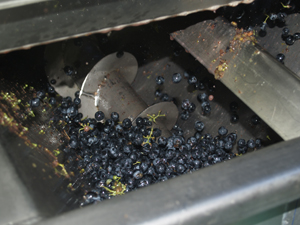
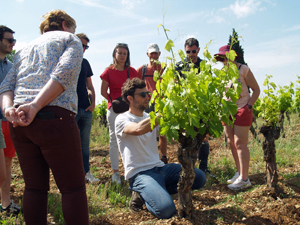
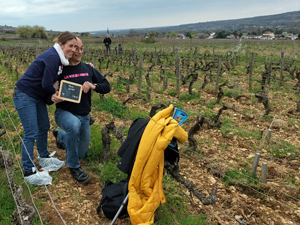
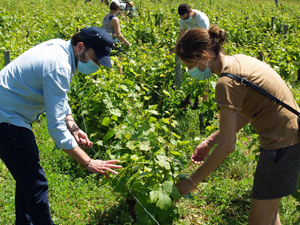
Yannick showed us the vines in full flowering season, and explained the work that has been done so far this year in the vineyard. Everyone introduced themselves to their adopted vines, and then it was time to get down to some work!
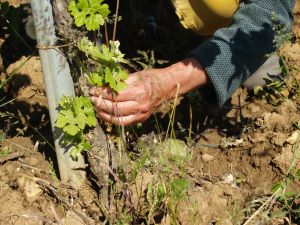
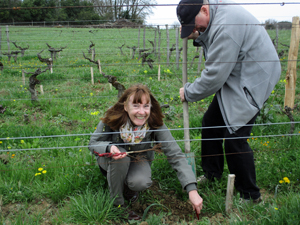
The task to be completed was to ensure that each of the vine shoots were placed between the training wires, and that they were separated from one vine to the next. Then we had to raise the wires as high as possible, and attach them together with a biodegradable clip, used at the estate since their conversion to organic farming.
After a few words on the history of the region, the winery and their organic wine making philosophy by Jean François Chapelle, it was time to taste the estate's wines over a meal. We savoured their Meursault 2008 white wine, the Santenay "Clos de Cornières" 2004 and 2003 vintages, the Santenay Premier Cru "Beaurepaire" 2002, and their Gevrey Chambertin from 2007.
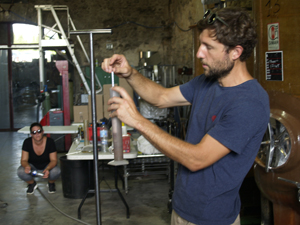
During the afternoon, Mr Chapelle, pipette in hand, took us into the winery and cellars to introduce us to the wine making side of things, finishing with a tasting, direct from the casks, of the 2009 Clos de Cornières, which is still maturing.
A huge thank you to all who came and to Domaine Chapelle for a very memorable day!
The very next day after posting our blog article, What Makes French Organic Wine, Organic, the European Commission withdrew the Orwine project, which was supposed to find a European standard for organic wine.
Decanter has reported on this in their article, EU says no to organic wine. Vitisphere (French language link) quote the EU Commissioner for Agriculture & Rural Development, Dacian Ciolos, as saying "the conditions for introducing these new rules are not united in the majority of the member states. I am not ready to accept a compromise on the organic standards which would send a bad signal to the consumers on the importance that the Commission places on quality. I hope that the (wine) industry and research will make progress, and that the Commission will come back with a proposition."
We agree with the stance to refuse a compromise on standards, which are in our view the minimum that the public expects, but we are very concerned about the position in which organic wine is left.
If you buy organic jam, you expect a product that is not only made from fruit that has been cultivated to organic standards, but that the sugar used is organic, and that no other artificial elements have been use to "enhance" the flavour or colour. Why should wine be any different?
It would appear that the wine making methods used in different EU countries and region are at the heart of the problem. But why? If we agree on the principal that organic wine should be made from organically grown grapes, without the use of chemical fertilizers, pesticides and herbicides, and that nothing unnatural is added during the fermentation and ageing process, there shouldn't be any problem. True, there remains some debate about the use of some products such as sulfur to help preserve the wine, but the proposal to reduce the amount by 50% is a good starting point, and winemakers can use less if they wish.
Yesterday we were at Domaine Chapelle (French language link) in Santenay, Burgundy for a Gourmet Odyssey Wine Experience day. Domaine Chapelle has been organically certified since the beginning of this year, but has been using organic methods for best part of the last decade. Jean François Chapelle explained the journey he embarked on to become an organic winemaker, and also responded to questions about the wine making methods he uses. He is clearly a passionate man, not just for wine, but for the environment around him; his terroir, his village, his region, the legacy that his generation will leave to future generations. He adds nothing else to his wine that wasn't covered by the Orwine proposal. Do organic wine makers in France, Italy, or Spain with the same ideology really think differently from one another?
Without a European standard, the worst possible outcome is inertia, which leaves the door open to profiteers who want to jump on the organic wine band wagon for purely economic reasons. The other risk is that each country develops its own standards, but if the rules are different from one country to another, how can the consumer make an educated purchase decision? Maybe the time has come for wine, like other food and drink products, to include the ingredients and amounts used on the labels, especially for organic wine?
A solution must be found urgently to introduce organic wine
making rules and to have a real organic wine label.
What are your thoughts?
The number of French organic wine producers is increasing each year, at a rate of 20-25% in terms of organic vine surface area, according to the Fédération Nationale Interprofessionnelle des Vins de l'Agriculture Biologique.
But what does it mean exactly when we talk about "French organic wine"?
To put it simply, organic wine is a wine that is made from organically grown grapes, and that has had no chemical additives or other unnatural substances mixed in during the fermentation and maturing stages.
In France, consumers look for the "Agriculture Biologique" label to know whether a wine is organic or not, but beware ; presently, this label only certifies the manner in which the grapes are cultivated, and not the way in which the wine is actually made once the grapes have been harvested. The European Commision is currently formalising the rules to resolve this issue in its Orwine project. More to come soon hopefully on this. UPDATE - SEE ARTICLE NO TO EUROPEAN ORGANIC WINE ?
Let's start in the vineyard. To cultivate organic vines, the use of all chemical fertilizers, herbicides and pesticides is banned. The systematic and repetitive use of these products can do much direct and indirect harm; on the insects, which has repercussions on the food chain and fertilisation of plants; on the natural plants which are important to sustain the balance of nutrients in the soil and to limit the effects of soil erosion; and on the wine makers who have to handle the chemical products, without even talking about the effects on the consumers themselves.
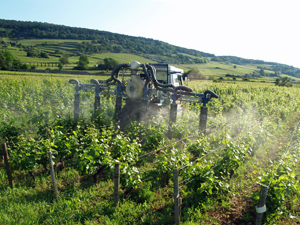
Prevention. That is the key to organic cultivation. Instead of using chemical products to treat diseases, organic winemakers use natural preventative measures. For example, to reduce the risk of disease and rot linked to wet weather, the vineyard manager removes excess leaves and shoots to help the air circulate better between the bunches of grapes, thus helping them to dry quicker. Copper and sulfur are the only products that are allowed to be added to the soil, to prevent mildew and oidium.
The soil is worked manually or by machine in place of weed killers, which help the microbes in the soil to prosper, and thus to be better aerated and its quality enriched.
Natural nutrients are returned to the soil as much as possible. For example, the pruned vine shoots are crushed in between the rows of vines, and the marc (skin, seeds and stalks that remain after the grapes are crushed) is spread in the vineyards.
At the time of writing, the French organic wine specifications do not apply any obligation in terms of the wine making, but in reality, the majority of wine makers that have taken the time and effort to cultivate organic vines, strive to express the taste of the grapes, the terroir and their work as naturally as possible.
In general, organic wine contains levels of sulfites much lower than normal wine (at least -50%), and the wine makers don't add sugar, other additives or genetically modified organisms that can change the aroma, colour, or taste artificially.
Often the journey to becoming organically certified prompts the wine maker to ask him/herself other questions. What other actions can they take to better respect the environment and the wine? For example, reorganising the reception hall in the winery to use gravity as much as possible in carrying the grapes into the vats instead of pumps. Or using old vats to collect rainwater that is then used to clean the tractors and machinery.
As with all wines, we believe that they are best appreciated when we know the story behind where the wine comes from; the wine estate, the terroir, and the people involved. It is therefore recommended to:
Two recent guides that we appreciate on French organic wine are Le Guide des meilleurs Vins Bio de France (Gault Millau) and Carnet de Vigne Omnivore (Hachette Pratique), both of which are unfortunately only available in French. If you have a French organic wine guide in English that you have found useful, please share!
We will be taking a look at
biodynamic wine in a future article, and explaining what
makes it different to organic wine.
Château Beau Rivage, partner of Gourmet Odyssey, invites you to join them at the Harbour and Estuary Fete on Sunday 13th June (link french only).
Wine tasting of the Clairet 2009, and visit of the cellar and vineyard. You can also enjoy grilled fish, walks on the bank of the Garonne river, a vintage car display and music from the "Bandas", traditional Basque country fanfare music!
Open from 10:00 to 18:00
The starting point for any good wine is in the quality of the grapes, but unfortunately they don't just appear by magic!
Assuring the best possible harvest means many hours of labour in the vineyards throughout the year. There are differences in the tasks carried out and in their timing according to the region, the grape varieties, and climatic differences year to year, but this blog post aims to explain the main steps in cultivating vines.
Before the cold snaps of winter set in, the vines are prepared to protect them from hard frosts, particularly the more northerly vineyards or ones that are more exposed. Often the vineyard staff will build up the level of soil around each vine stock to increase insulation in a process known as "buttage".
During this period, vines that are too old or are in bad health will be uprooted to free up space for new vines to be planted in spring.
The main task is the pruning of the vines. Left on their own accord, vines are very rampant, so need to be kept strongly in check. The principal aim of pruning is to reduce the number of shoots to leave just those that will eventually bear fruit for the year's harvest. This practice enables each vine to concentrate its efforts, which will in turn improve the quality and the sugar levels in the grapes at a later stage. It's a long and laborious process, as the vineyard workers snip away with their secateurs vine by vine. The cut shoots are often then scattered and crushed in between the rows of vines to return natural organic nutrients to the soil.
Posts and training wires are repaired, and the remaining shoots are attached to their support manually to help control the form of the fruit-bearing branches. "Pliage" is the action of folding the branches to give the desired shape to the cine, and "accolage" is the term given to the act of attaching the shoots to the wires.
At the end of winter, once pruning has finished and as soon as the soil allows, the "débuttage" begins to return the heaped soil from around each vine stock to the middle of the rows. This soil is then spread, "décavaillonnage", and the soil tilled to aerate it, remove unwanted weeds naturally, and to help with drainage of water.
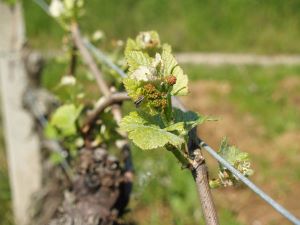
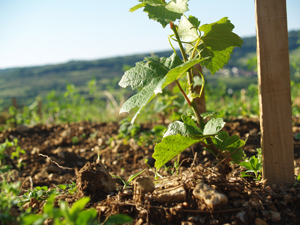
In April the vines begin to grow rapidly, and the dark, bleak countryside of the winter begins its transformation to green with the arrival of new life.
The vineyard manager then starts to debud the vines, selecting to keep only the buds that will produce the grapes come harvest time. Unwanted shoots are also pruned in a process called épamprage, again to limit the number of grapes produced. It is very important to control the yield, so that each vine can channel its energy into a smaller amount of fruit, but with an improved quality.
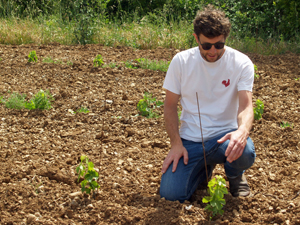
The first treatment of the vines is carried out as a preventative measure against disease. It's also a favourable time of year to plant new vines.
The weeks between the bursting of the buds and the definitive end of the risk of frost are very worrying for the vine manager, because a cold snap can burn the buds and severely impact the harvest.
This is the period when the first flowers on the vines appear and reproduction happens. If it's too humid or cold during the flowering period, the rate of growth slows which can reduce the number and size of the grapes. After flowering, the first small green grapes are formed. The vine managers closely monitor the vines, and select the necessary treatments to ward off unwanted diseases such as mildew, black rot vines reproduce.
As the weather gets warmer, so the bunches of grapes mature and become bigger. The principal task of the winemaker at this time is to ensure the optimal mix of quality and quantity of grapes. Too many grapes and the sugar levels will not be high enough to produce a good wine, but by reducing the number of grapes, so the number of bottles that the winemaker can produce and sell also decreases.
The wine maker first removes some of the leaves from each vine during "effeuillage", so that each bunch of grapes receives the maximum amount of sun to fully ripen, and also to better aerate the grapes, which helps protect against mildew in rainy periods.
Once the grapes have started to grow, the winemaker may choose to conduct a green harvest by removing unwanted bunches of grapes in a process called "éclaircissage". This helps to improve the quality of the remaining grapes by raising the sugar levels.
This is the most stressful time of the year for the winemakers. They spend much time walking amongst the vines, inspecting and tasting the grapes to choose the best possible moment to start the harvest. The key influencing factors are the level of tannins, sugar and acidity, combined with weather forecasts. The variety of grape, as well as their physical position in different vineyards will determine the order of harvesting of the vineyard plots.
As important as the choice of when to harvest the grapes, is the management of the team of harvesters and the preparation in the winery to receive the harvest. The harvester need to be trained, supervised, and often lodged and fed, whilst the vats must be sterilised before the fruit is added.
The annual cycle of cultivating the vines ends with the spreading of the "marc" (skin, seeds, and stalks) amongst the vines to return natural nutrients to the soil.
And then the leaves turn a sea of red, yellow and orange before falling from the vines, as a new cycle begins!
We tasted some good Spanish Riojas, but unfortunately got there too late for the vintage bottles bought at La Tour d'Argent auction last December :-(
The highlight was this Cryomalus Ice Cider from the Antolino Brongo Estate in Québec. A taste of golden apples, sweet but still very fresh. A true delight that should go well with an old Comté, some foie gras, or maybe even a curry.
As with the production of ice wine, ice cider is made from fruit that has been left out in the freezing winter temperatures. At Antolino Brongo, the ripe apples are picked from the trees, and then left outside on pallets to freeze until ready for pressing. After a 6 week fermentation period, and then a further 6 months ageing in stainless steel tanks and the bottles, the ice cider is ready to be enjoyed.
Bottles of the Cryomalus Ice Cider are available in France through Oh! Vino. We're not sure where else in Europe it's available, but the Antolino Brongo Estate should be able to let you know how to get hold of it.
What to get the person that has everything ?
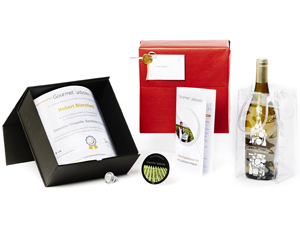
Adopt a Vine in France and Let Them Follow the Making of Their Own Wine !
From € 149
Adopt-a-Vine Biodynamic Blending Bordeaux Burgundy Cellar Chablis Course Experience Fermentation Gift Harvest Oenology Organic Tasting Vines Vineyard Vinification Wine Winemaking